
dpa
Berlin
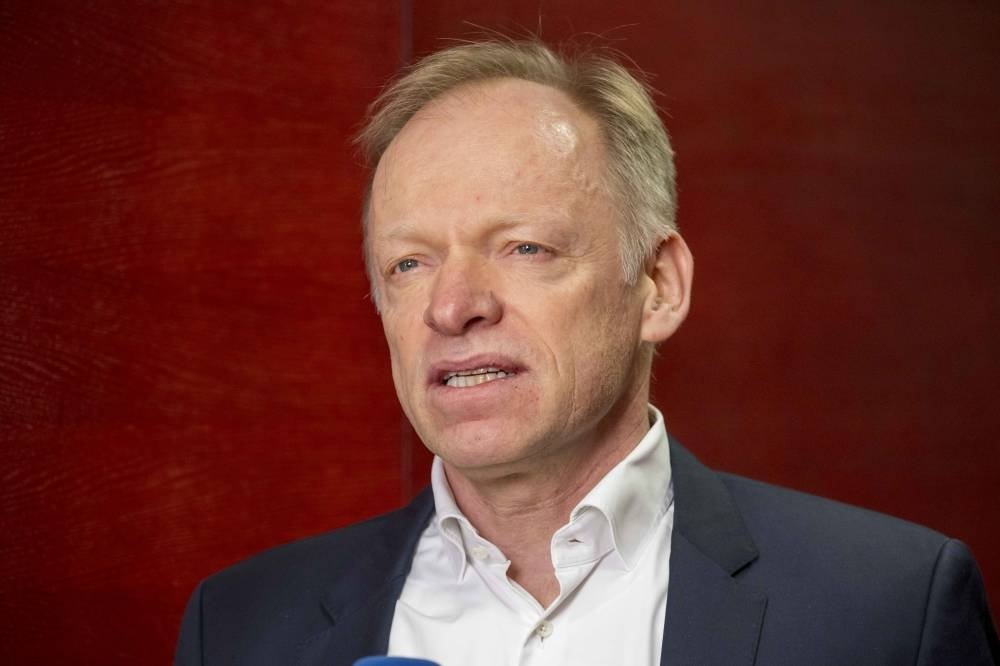
The German economy faces further decline unless major reforms are implemented, warned Clemens Fuest, head of the Munich-based ifo economic research institute.
“Germany has been in economic decline for years. The situation is now dramatic,” Fuest told the Bild am Sonntag newspaper.
“While government spending continues to rise, private investment is falling,” he said. “This puts Germany’s prosperity in acute danger, because less private investment means less growth in the medium term, less tax revenue and therefore less money for state services.”
Fuest noted that the average standard of living has stagnated and millions of citizens are already experiencing a decline in living standards.
He called on the German government to present a comprehensive reform programme within the next six months, going far beyond the current coalition agreement. The plan should be in place by spring 2026 at the latest.
Proposed reforms Fuest has called for comprehensive social reforms, including ending the mothers’ pension. He argued that the government should focus instead on ensuring that contributions do not continue to rise.
The economist also urged reducing bureaucracy for companies, citing documentation requirements for carbon dioxide (CO2) emissions, supply chains and minimum wages as examples of costly regulations that provide little benefit.
According to Fuest, streamlining these rules could generate up to ?146 billion ($170 billion) in additional economic prosperity each year.