
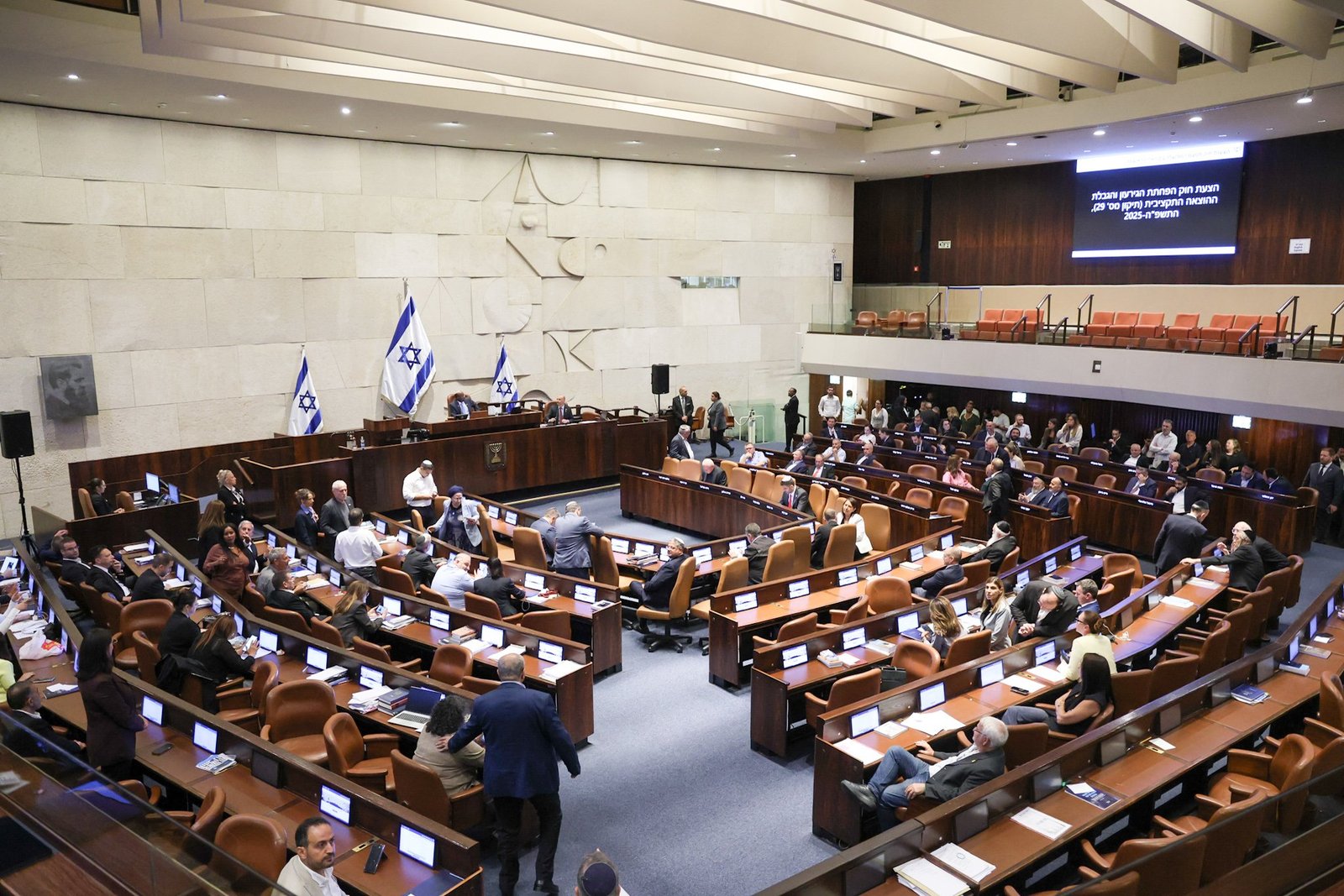
The next Israeli election, scheduled to take place by late October 2026, may still be nearly a year away. But in many ways, the country is already off to the races.
At least 11 new political parties have been registered, coalition partners are maneuvering, and the opposition is once again searching for a formula to unseat Prime Minister Benjamin Netanyahu and his right-wing Likud party.
The current government took power during the last week of 2022, pushing out the big-tent coalition led by Naftali Bennett and Yair Lapid that had briefly paused 12 straight years of Netanyahu rule. Originally composed of Likud plus several far-right and ultra-Orthodox parties, it has so far hung together through an unprecedentedly tumultuous three-year stretch.
It was in power during the Hamas-led October 7, 2023, attack, the worst in Israel’s history, and the contentious two-year war in Gaza that followed. It faced widespread protests across the country, first opposing its controversial plans to overhaul the courts, then demanding a deal with Hamas to release the hostages held by terror groups in Gaza.
A separate issue — Haredi demands for a law exempting yeshiva students from the draft — has posed perhaps the most acute threat to the government. The ultra-Orthodox United Torah Judaism party left the coalition in protest this summer, leaving it without a parliamentary majority. Shas, the Sephardi Haredi party, has also made moves to leave.
The fragmented opposition, made up of a mix of left-wing, centrist, right-wing and Arab parties, has weathered its own storms. Factions have joined and left the government. A party that once led opinion surveys has fallen apart, while others have formed. The politician considered the most credible challenger to Netanyahu does not even serve in the Knesset.
Israel’s frequent election polls, which are famously unreliable, show a volatile political landscape — especially after the recent ceasefire and hostage-release deal in Gaza. Whether the next election happens in the coming months or in about a year, here are the new parties and storylines to look out for.

Three to watch
Amid the crowded field, several heavyweight figures have entered the fray with new political parties: Bennett, former IDF chief Gadi Eisenkot, and former communications minister Yoaz Hendel.
Their decisions — whether to run alone, join forces, or fold into larger parties — could define whether the anti-Netanyahu bloc finally overcomes years of internal division and (again) unseats the longtime premier.
Bennett, a former ally-turned-adversary of Netanyahu who left politics after his coalition disbanded in 2022, has attracted more attention than anyone. He has been a constant critic of the government, chiding it in particular for not passing a law mandating Haredi military service.
This spring, he formally launched a new party, provisionally named Bennett 2026. It has yet to unveil a platform or list of candidates, but polls have consistently shown that it would compete with Likud for the most votes.
In recent months, Bennett has attempted to unify the opposition, meeting with various anti-Netanyahu leaders with the goal of forming a “big party” that could defeat the current coalition. He has also said that, if elected, he would pursue the ambitious — and so far unattained — goal of enacting an Israeli constitution, as well as term limits.
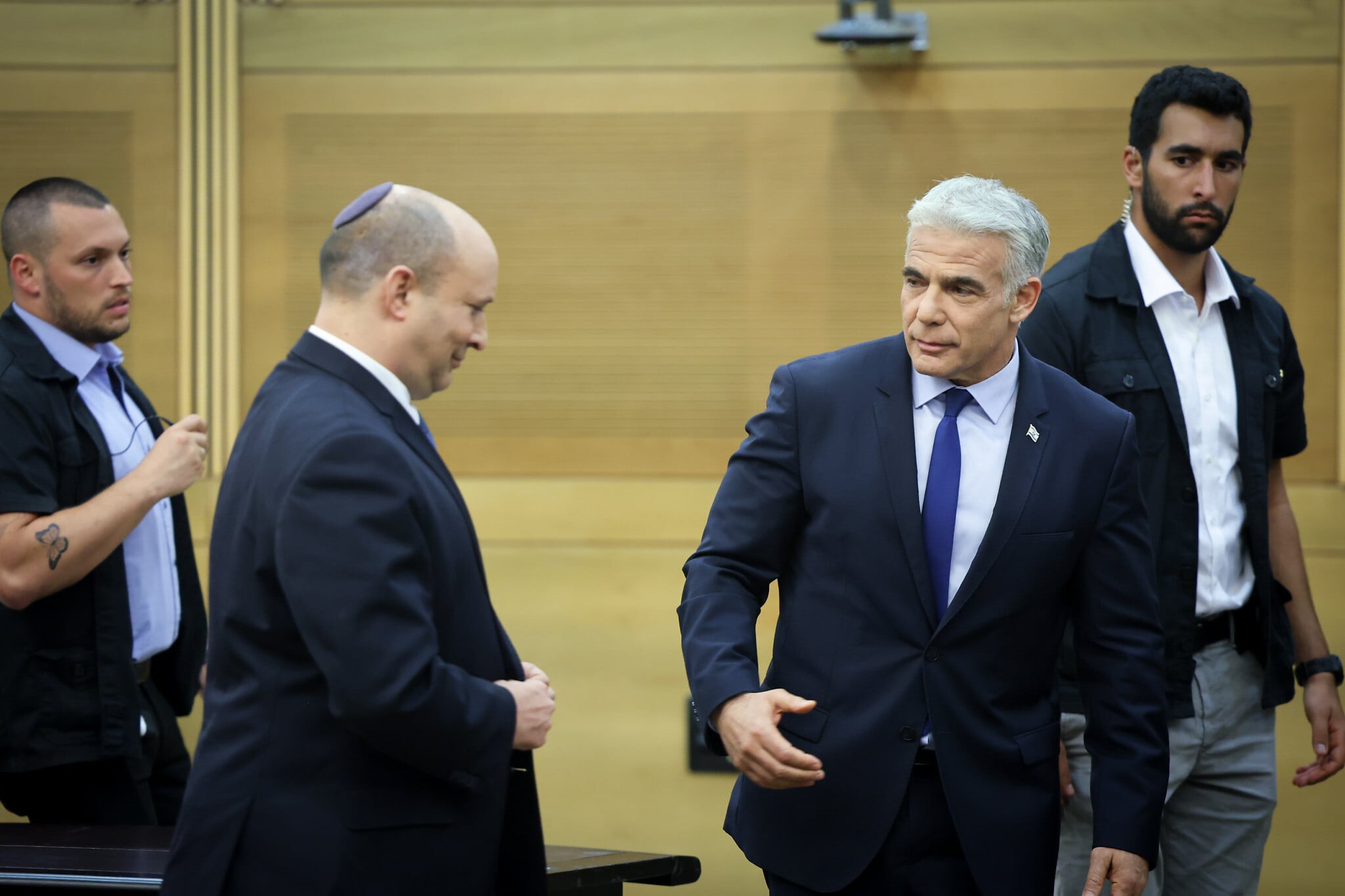
A political bombshell came when Eisenkot, formerly the number-two in the centrist Blue-and-White faction, broke off and later announced the formation of his own party in September, called “Yashar! With Eisenkot.” The word can mean “straight,” “honest,” or “onward,” depending on context.
The breakaway happened after Eisenkot, who lost a son in the Gaza fighting, emerged as one of the most outspoken critics of the government’s handling of the war. Former religious affairs minister Matan Kahana likewise left Blue-and-White to join Eisenkot’s new party. The defections have sent their former party, which led opinion polls shortly after the October 7 attack, into crisis.
Eisenkot has been rumored to be feeling out a merger with an existing party. He has already met with Bennett, as well as with Lapid, the current opposition leader and chair of the centrist Yesh Atid party.
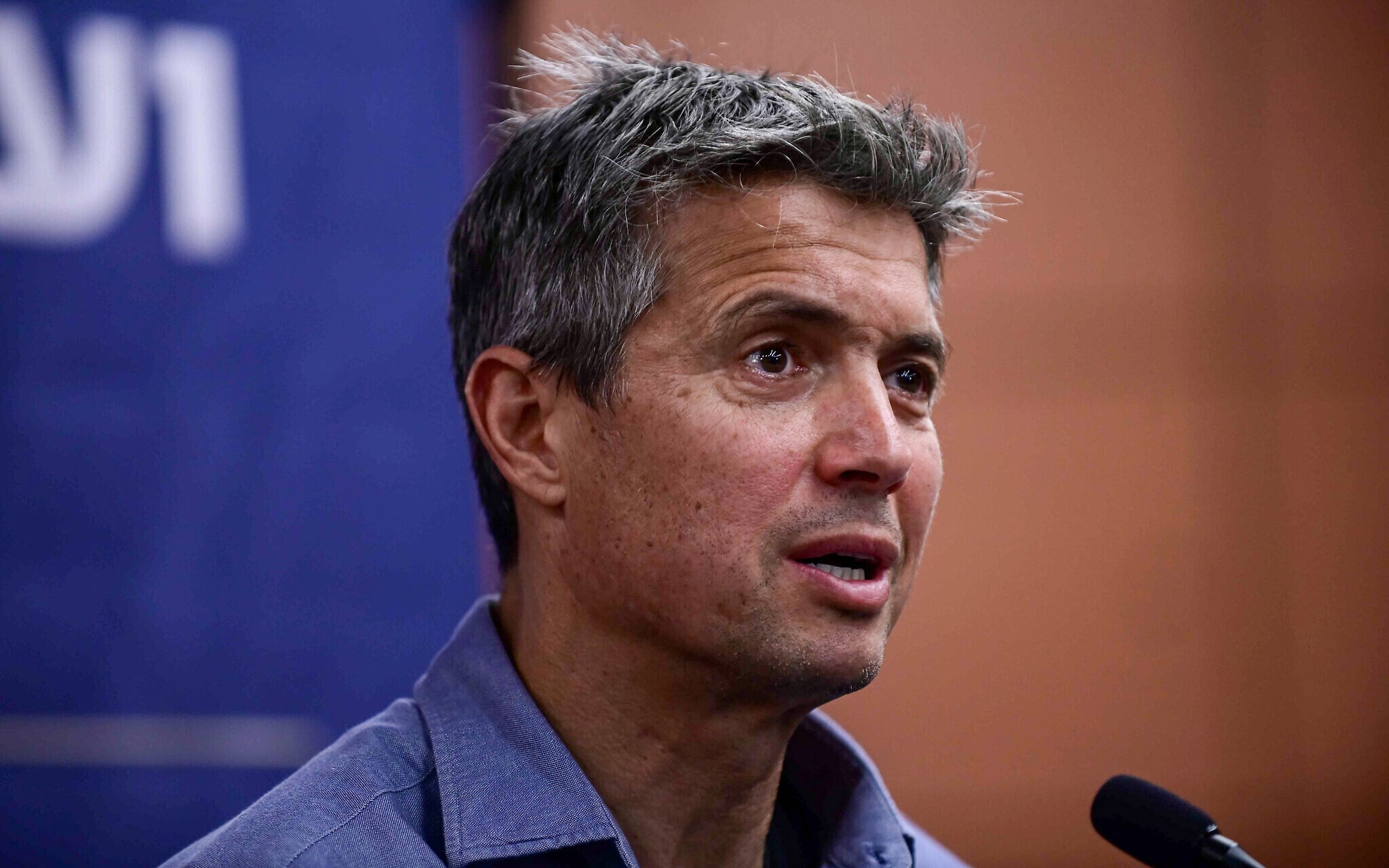
Hendel, who like Bennett stepped away from politics in 2022, also reentered the field in September with HaMiluimnikim (“The Reservists”), a party focused on IDF reservists, their families, and civilian volunteers. Unlike other opposition figures, Hendel, a center-right former communications minister, has not ruled out a partnership with Netanyahu’s Likud.
For the opposition, the stakes appear to be clear: Politicians and analysts are suggesting that coordination among Bennett, Eisenkot, Hendel and the bevy of existing anti-Netanyahu parties could unlock a credible alternative to the prime minister. Failure carries the risk that smaller opposition parties receive too little support to enter the Knesset, wasting their votes and handing Netanyahu reelection — similar to the scenario that unfolded in 2022.
Prof. Ofer Kenig, a senior lecturer at Ashkelon Academic College and a research fellow at the Israel Democracy Institute, expects the opposition parties to consolidate so as to avoid that outcome.
“All kinds of permutations can be imagined, but I find it hard to believe that they will run separately,” he said. The anti-Netanyahu parties, he added, have “learned their lessons” and are “better prepared and more coordinated than last time.”
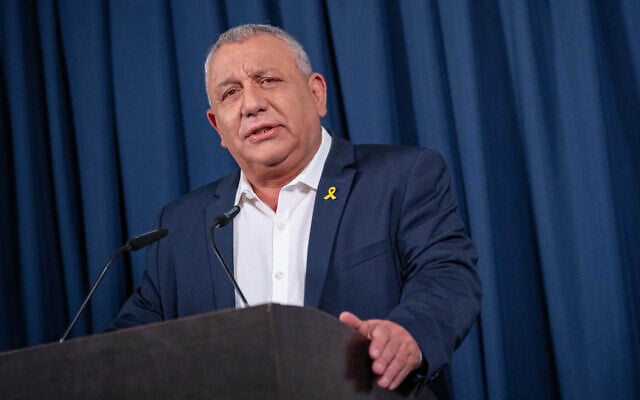
Why then, register a new party at all? According to Kenig, registering new parties is often a tactical decision, less about competing independently than about creating leverage.
“Once you have a registered party, you can successfully negotiate with other parties and form joint lists. If you already have a party with a name and some traction, you can bargain,” he said. “If you don’t register a party in time, then you’re dependent on the goodwill of existing parties.”
Netanyahu’s calculus
While the opposition works to coalesce new parties before elections have been called, the sitting government is not particularly worried about the emergence of a unified opposition bloc, a coalition insider said. From the perspective of Netanyahu and his allies, the emergence of even more opposition parties can only be a good thing.
“The main thinking is that mergers won’t happen and [the opposition] will go into the elections with many splinter parties that won’t pass the threshold,” the source said.
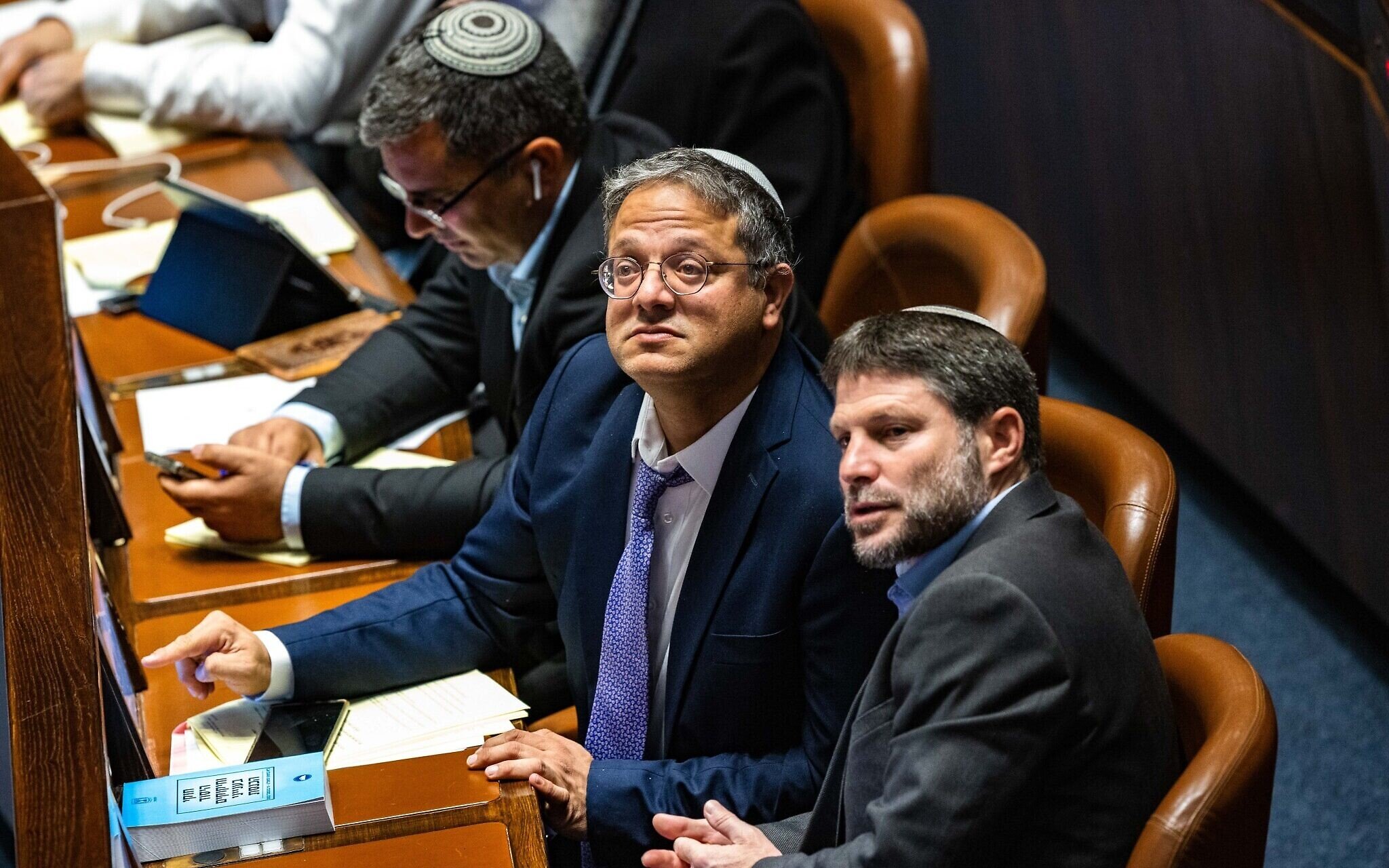
In contrast to the opposition, where new parties tend to sprout like wildflowers in spring, the coalition’s strategy is to work in the opposite direction, by merging smaller parties into united lists that will almost certainly enter the Knesset.
For example, the source said efforts are underway to shore up Finance Minister Bezalel Smotrich’s Religious Zionism party, which many polls show failing to enter the Knesset. According to the source, Smotrich will likely be “forced” to run once again with National Security Minister Itamar Ben Gvir’s Otzma Yehudit party. In 2022, the two far-right parties joined forces, winning 14 seats, the third-largest tally of any list.
The coalition also hopes to sideline Avi Maoz, an anti-LGBT politician who ran with the far-right slate but has since left the coalition, the source said, calling Maoz a “waste of votes.”
There has been some speculation that Netanyahu may also try his hand at spurring the formation of new right-wing satellite parties, led by figures such as former generals Ofer Winter and Dedi Simchi, but nothing on that front has materialized so far.
The Arab factor
Another potentially decisive variable in the next election is whether the Arab parties join forces. The four Arab parties — Hadash (which also has a Jewish MK), Ra’am, Ta’al, and Balad — are in ongoing talks to revive their erstwhile Joint List bloc ahead of the next elections.
At its peak in 2020, the unified slate won 15 seats and became the third-largest bloc in the Knesset. In the 2022 elections, they ran separately, and Balad received more than 100,000 votes but fell short of the electoral threshold, delivering a blow to the anti-Netanyahu parties.
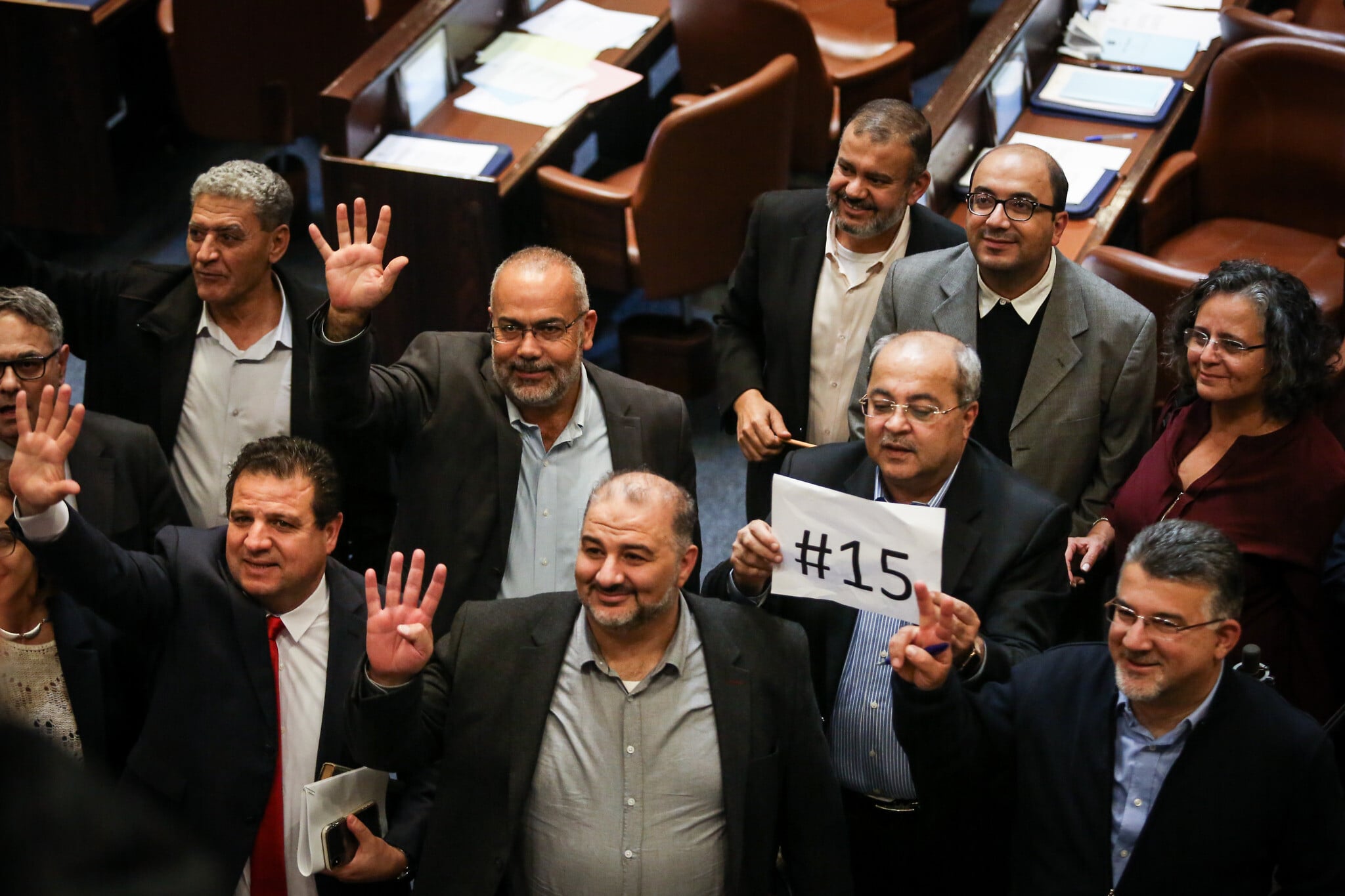
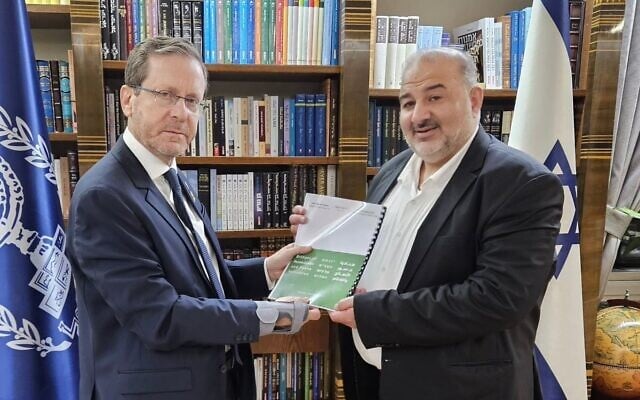
An Arab party has been part of the coalition only once in recent decades, when the Islamist Ra’am joined the 2021-2022 Bennett-Lapid government.
This time, Kenig said it remains extremely unlikely that right-wing or center-right opposition figures like Bennett and Yisrael Beytenu’s Avigdor Liberman would acquiesce to an Arab party joining the government.
“Bibi knows that there isn’t a scenario right now where he easily wins the elections. His goal is to make sure that the opposition doesn’t reach 61 seats without the support of the Arab parties,” Kenig said.
But Arab parties have also previously played a key role in blocking Netanyahu from securing a parliamentary majority, and their success at rallying Arab voter turnout could “make it more difficult for Bibi to form a government and stay in power,” said Kenig.
A new party could influence the Arab factions’ chances. Avi Shaked, a businessman and former Labor MK, launched a joint Arab-Jewish party in June, together with Dirar Amreikh of Tamra and strategist Yoram Dori. Called “Together We Will Succeed,” the party aims to field a half-Jewish and half-Arab slate of candidates, and pledges gender parity as well. Its stated goal is to increase Arab participation in the political process and ensure that Arab parties are part of any future governing coalition.
Shaked is not worried that the new party might siphon votes from existing Arab parties, causing them to fall short of entering the Knesset.
“Our goal is to unite Arab parties and increase Arab voter turnout, which doesn’t harm the opposition in any way,” he told The Times of Israel.
New, niche, and symbolic parties
Beyond Bennett, Eisenkot, and Hendel, Israel’s political landscape is dotted with dozens of smaller parties, most of which are unlikely to change the electoral calculus, but still offer insight into the way political winds may be blowing.

There is continued speculation that Standing Together — the Jewish-Arab activist group with more than 5,000 members, which has become the most prominent domestic antiwar protest organization following the October 7 attack — may form its own political party. For its part, the group has said it will remain a non-parliamentary grassroots movement.
Other smaller parties include Strength for Equality in Service, founded by former centrist MK Einat Wilf; former Likud MK Moshe Feiglin’s right-wing libertarian Zehut (Identity) party; and a Conservative party founded by Italian immigrant Jonathan Pacifici.
Still others with slightly more unwieldy names include the Hebrew Movement – Rock of Israel, Unity for Israel as One Person with One Heart, and The Party for the Love and Unity of Israel and Jews of the World.
“It doesn’t take much to register a party here — it’s more like a hobby,” Kenig said, predicting that there will be many more new parties emerging within the next year, most of them with slim chances of success.