
Syllabus: International Relations
Source: NIE
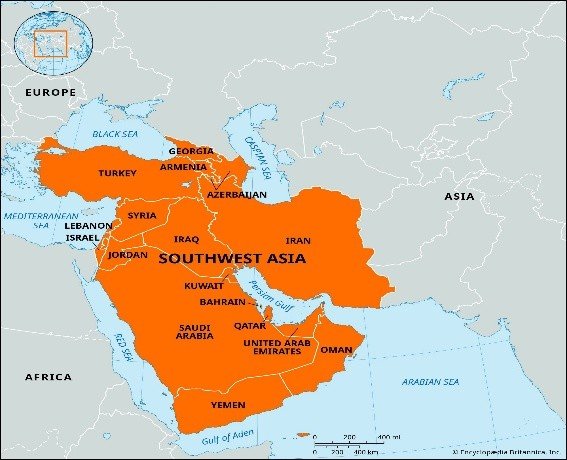
Context: The latest Israel-Iran conflict and closure of the Strait of Hormuz are reshaping West Asia’s energy and geopolitical landscape, with major implications for global markets and India’s strategic interests.

About Reshaping West Asia Geopolitics:
- What it is?
- A transformation in power dynamics, alliances, and energy politics in West Asia, triggered by the escalation of military conflict and shifting global energy trends.
- Recent Events:
- Israel’s strikes on Iranian nuclear sites: Israel launched targeted airstrikes on Iranian nuclear facilities, escalating regional tensions and provoking Iranian retaliation.
- Iran’s robust retaliation with ballistic missile attacks: Iran responded with extensive missile strikes on Israeli military targets and infrastructure, signalling a new phase of direct conflict.
- Rising threat of a blockade of the Strait of Hormuz: Iran blocking this vital oil shipping route, through which ~20% of global oil passes, risking a global energy supply shock.
- Potential for oil embargoes and attacks on Gulf energy infrastructure: Fears grow over Iranian-backed militias attacking rival Gulf oil facilities or coordinated embargoes against Western powers.
Earlier Geopolitics in West Asia
- Dominated by Cold War rivalries and US-Soviet influence: Regional dynamics were shaped by superpower competition and alliances, often fuelling local conflicts.
- Oil diplomacy and the 1973 Arab oil embargo shaped global markets: The 1973 OPEC embargo demonstrated West Asia’s power to influence global energy prices and political outcomes.
- Israel-Iran relations were covert but pragmatic post-1979: Despite public hostility, secretive arms deals and intelligence sharing occurred during the Iran-Iraq war.
- Regional instability driven by Iraq-Iran war, Gulf wars, Arab-Israeli conflict: West Asia faced decades of war and turmoil, keeping energy markets volatile and alliances fluid.
New Geopolitics in West Asia:
- Shift toward multi-polar alignments (BRICS, SCO, China-Russia-Gulf links): Emerging alliances reflect growing Gulf ties with China and Russia, diluting traditional US dominance.
- Decline in US influence, emergence of Gulf regional autonomy: Gulf nations increasingly chart independent foreign policies, seeking diversified partnerships.
- Weaponisation of energy supplies as geopolitical tool: Oil and gas flows are now used strategically, with threats of embargoes or supply disruptions to gain leverage.
- Rising importance of non-state actors (Iran-backed militias): Militias, proxies, and hybrid warfare shape regional conflicts, adding layers of instability.
- Fragile balances between Gulf monarchies, Iran, and Israel: Tense but pragmatic co-existence among regional players risks tipping into wider conflict.
Factors / Causes for New Geopolitics:
- Energy Transition Pressures: Though renewables grow, oil and gas remain crucial, prompting Gulf states to maximise control and profits.
- Military Escalation: Israel-Iran hostilities now threaten key maritime routes like Hormuz, destabilising global energy trade.
- Regional Realignments: Warming Iran-Gulf relations may reshape oil alliances and affect traditional bloc politics.
- US Strategic Shifts: Erratic US policies create uncertainty, encouraging regional powers to hedge their bets and seek new partners.
- Public Sentiment: Pro-Palestinian, anti-West sentiment forces Gulf rulers to balance domestic opinion with external alliances.
Implications on India
- Positive
- Potential opportunities in diversified energy sourcing and strategic reserves building: India can use this crisis to expand energy partnerships and build buffer reserves for supply security.
- Space to play balancer role in BRICS, SCO diplomacy: India’s non-aligned stance offers a platform to mediate and strengthen multilateral engagements.
- Negative
- Possible disruption in oil/LNG supplies (40-50% of India’s energy imports via Hormuz): Any blockade or supply cut through Hormuz will critically disrupt India’s energy imports.
- Rising energy costs leads to inflationary pressures on Indian economy: Surging oil prices may trigger inflation, raising costs for transport, manufacturing, and food.
- Risk to Indian investments in Chabahar Port, INSTC, IMEC Corridor: Heightened conflict could derail India’s key connectivity and trade initiatives in the region.
- Strain on India’s balanced relations with both Israel and Iran: Growing polarisation forces India into difficult diplomatic choices, risking ties with either side.
- Possible erosion of remittance flows from Gulf nations: Regional instability may affect jobs and remittances from Gulf-based Indian workers, impacting household incomes.
Conclusion:
West Asia’s fast-evolving geopolitical landscape demands that India adopt a pragmatic, flexible, and interest-driven approach. Balancing diplomacy, energy security, and economic interests will be crucial to safeguard India’s strategic stakes in the region.